



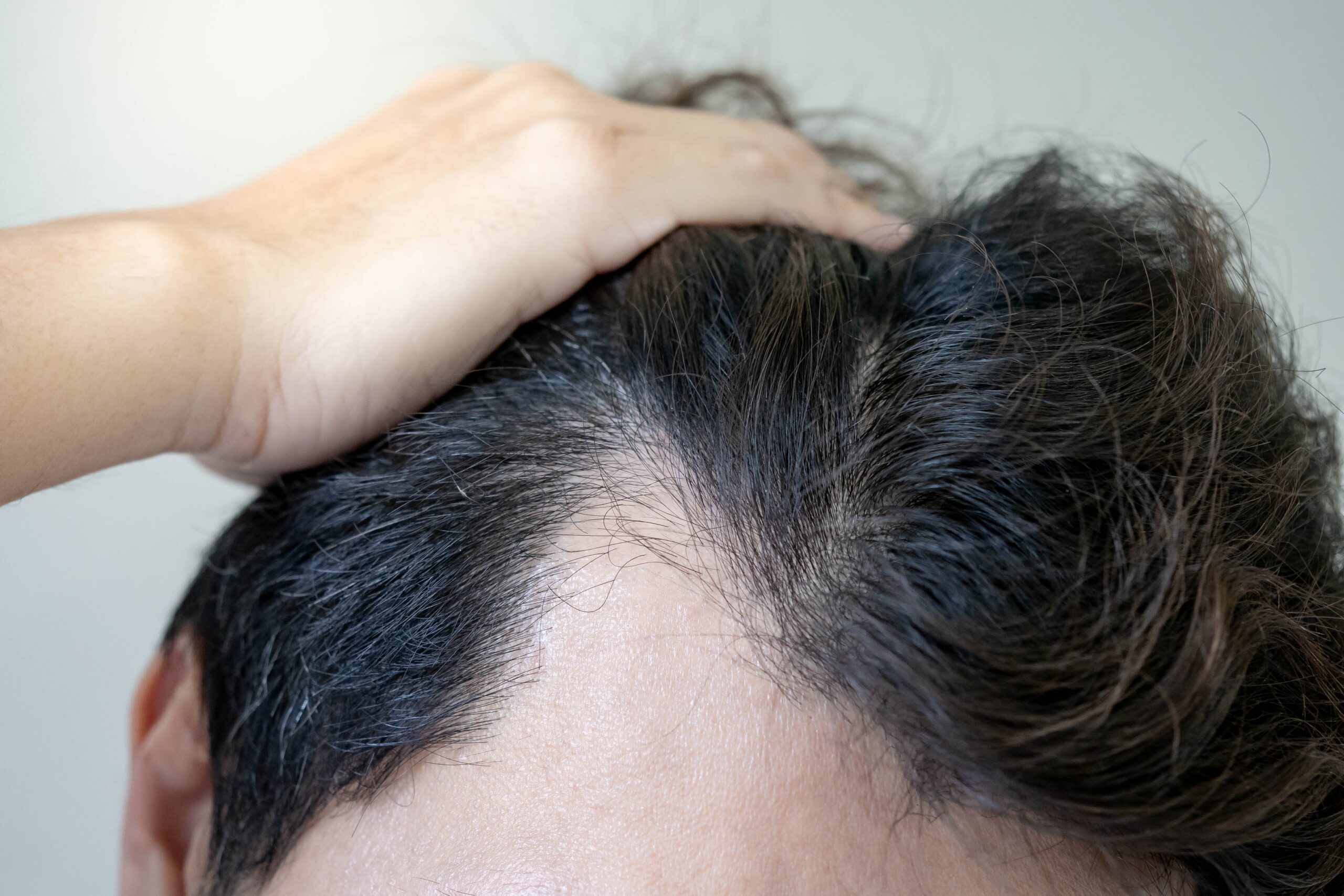
In this blog, I would like to share my personal experience with the NeoGraft Hair Transplant procedure, offering insights both as a patient and as a physician.
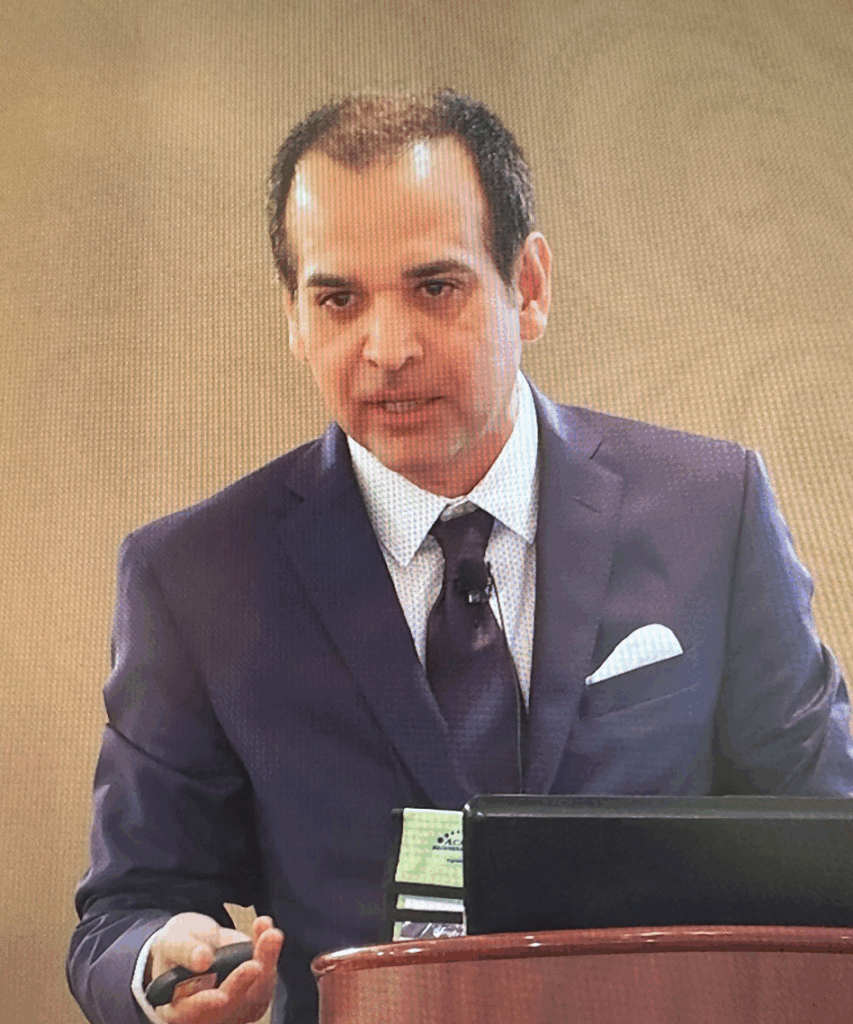
Hair loss has always been present in my family. One of my brothers began losing his hair at an early age, and several of my cousins also experienced baldness in their twenties. I witnessed firsthand how this affected them—not only from a psychological perspective but also in terms of missed opportunities in relationships and even career advancement. Over time, their confidence diminished, and their once outgoing personalities seemed to fade. Despite trying a variety of remedies, from over-the-counter shampoos to prescribed medications, nothing produced lasting results. It often felt as though baldness was inevitable.
During my adolescence, my hair was naturally light blond. In fact, my high school friends nicknamed me “El Mono” (Spanish for “the blond one”), since most of them had thick, dark Latin hair. At that time, my own hair was thick and healthy, with a strong hairline.
However, in my early thirties, I began to notice changes. My hair gradually became thinner and less dense. In an effort to slow this progression, I tried topical treatments such as Minoxidil as well as nutritional supplements and vitamins. Unfortunately, these measures did not produce new hair growth.
Medical Perspective
As a physician, I understood that lifestyle factors such as long working hours, poor sleep, and suboptimal nutrition likely contributed to my hair loss. I was also aware of the hormonal component. Testosterone plays a significant role, and its conversion into dihydrotestosterone (DHT) is considered one of the main contributors to male pattern hair loss.
When I Decided to Undergo a Hair Transplant
As both a physician and someone experiencing hair loss, I had already become familiar with FUE (Follicular Unit Extraction) and began researching the most advanced technologies available. My goal was twofold: to identify a treatment that could benefit my patients, and to determine whether it could also be the right solution for me personally.
The defining moment came during a trip to Colombia. While reviewing a group photograph taken at a gathering, I noticed someone I assumed to be my brother—the same brother who had struggled with significant hair loss. To my surprise, the person in the photo was actually me. That moment was eye-opening. My first instinct was to think my brother needed treatment, but in reality, it was a reflection of my own hair loss. This realization became the turning point in my decision to pursue a hair transplant.

I often joke that I developed “post-traumatic hair loss,” but in reality, that realization led me to introduce NeoGraft technology into my practice, not only for my patients but also for myself.
At one point, several people suggested I travel overseas for the procedure since it could be done at a lower cost. However, I declined for several important reasons:
- I prefer not to travel long distances by plane.
- My demanding schedule left no room for an extended stay in a foreign country where I had no personal connections.
- As a physician, I knew that unexpected complications, or even specialized post-procedure care, could require me to remain abroad far longer than planned. While many patients believe complications “only happen to others,” the reality is that every medical procedure carries some degree of risk.
Fortunately, I had a strong donor area located at the back of my scalp, with thick, abundant hair. My initial goal was to lower my hairline and increase density at the front of my scalp. If enough grafts were available, I also hoped to restore volume in my crown.
To put graft planning into perspective, I often explain it using a simple analogy: imagine the size of a compact disc (CD). A single CD-sized area represents approximately 2,500 hairs. By envisioning how many “CDs” it would take to cover an area of thinning or baldness, patients can get a clear sense of the number of grafts that may be required.
How My NeoGraft Procedure Went
My NeoGraft hair transplant procedure was smooth and uneventful, lasting approximately seven hours from start to finish.
Preparation and Comfort
To begin, I was given an oral medication to help me relax. I chose to cut my hair very short prior to the procedure—an option that not only made the process easier but also gave me a refreshed, more youthful appearance.
Next, a tumescent solution containing epinephrine and lidocaine was injected into my scalp, essentially serving as a scalp block. The epinephrine minimized bleeding, while the lidocaine provided complete numbing. Thanks to this, the procedure itself was painless. In fact, I slept through much of it—something I like to think my body actually needed!
Extraction Process
Once I was comfortable, the NeoGraft device was activated and the process of extracting hair follicles from the donor area at the back of my head began. Throughout this stage, I experienced no pain or discomfort.
A skilled technician carefully counted and classified each follicular unit as it was extracted. Since each graft can contain anywhere from one to four hairs, the final count determined how the implants would be distributed.
Implantation
After extraction, the follicles were meticulously implanted along my hairline, the front of my scalp, and into my crown. This precise placement is what ultimately creates a natural-looking result with restored density where it is needed most.
My Immediate Recovery Experience
After the procedure, I was pleasantly surprised at how comfortable I felt. There was no significant pain, only a mild sensation of tightness or tenderness in the treated areas, which is expected following hair transplantation. Because NeoGraft is a minimally invasive procedure, there were no stitches, no linear scar, and very little downtime.
The First 24–48 Hours
During the first day, I followed the standard post-procedure instructions carefully. This included:
- Keeping my head elevated to minimize swelling.
- Avoiding direct pressure or scratching at the transplant sites.
- Using prescribed medications and sprays to keep the scalp clean and comfortable.
By the second day, I was already able to return to light activities. The small extraction and implantation sites began forming tiny scabs, which is part of the normal healing process. These scabs typically fall off within 7–10 days.
Comfort and Confidence
Overall, the recovery was straightforward. I did not experience significant discomfort, and I was able to resume most of my daily routine quickly. Knowing that my own natural follicles had been safely transplanted gave me confidence in the outcome, and excitement to see the results unfold in the months ahead.
Our Philosophy on Hair Transplant Pricing
One important point I want to emphasize is our approach to pricing, which reflects our philosophy of patient-centered care.
In the United States, it is common for clinics to charge patients based on the number of hairs or grafts implanted. However, this method can be misleading, as the exact number of hairs obtained cannot be determined until the follicles are actually extracted and classified during the procedure.
At our practice, we take a different approach. We charge a flat fee, regardless of the number of hairs extracted or implanted. Our goal is always to obtain as many healthy follicles as possible from the donor area to achieve the best aesthetic outcome for each patient.
This structure provides two major benefits:
- Transparency and peace of mind — patients know exactly what they will pay from the start, with no unexpected costs tied to graft count.
- Commitment to optimal results — our focus remains on maximizing hair density and achieving natural, lasting results, rather than on “counting hairs.”
Example of How This Works
Let’s imagine two patients undergo the same NeoGraft procedure:
- Patient A has a strong donor area and yields 3,200 hairs.
- Patient B has a smaller donor area and yields 2,600 hairs.
At most clinics in the U.S., Patient A would end up paying significantly more than Patient B, simply because more hairs were implanted—even though both patients received the same procedure, time, and care.
At our clinic, however, both patients pay the same flat fee. We extract and implant as many hairs as possible to achieve the best results, without adding financial pressure or penalizing patients with better donor availability.
Post-Procedure Care and My First Few Days
Once my NeoGraft procedure was completed, a bandage was placed on the donor area to provide gentle compression. To protect the transplanted follicles, I began using an antibiotic solution and a sterile water spray, which also helped minimize itching and kept the scalp hydrated.
Key Precautions
It is essential to avoid placing any pressure on the transplanted area, especially in the first few days. For example, even something as simple as getting into your car requires extra awareness so that you do not accidentally bump your scalp against the ceiling.
Patients should also expect a small amount of fluid drainage as well as forehead swelling that may descend slightly above the eyes. This is normal and occurs because the tumescent fluid (used during anesthesia) gradually shifts downward due to gravity.
My First Three Days
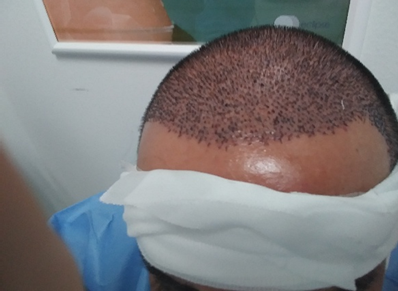
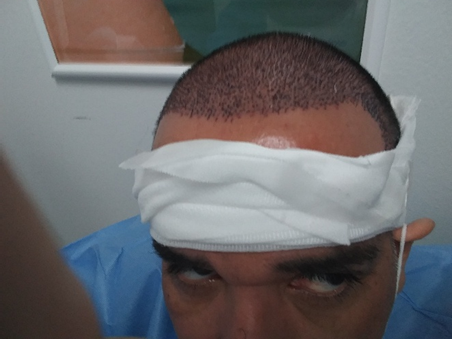
The next day, I was able to return to work while still wearing my bandage. By day three, the bandage was removed. During those first few days, I performed only light duties, although I still managed to carry out some minor medical procedures without difficulty.
I experienced no pain and felt overall very well. The main part of my aftercare involved spraying the transplanted area with sterile water every 30–60 minutes. This routine kept the scalp comfortable, reduced itching, and supported the healing process. I also made sure to avoid wearing a surgical cap or anything that could put unnecessary pressure on my scalp.


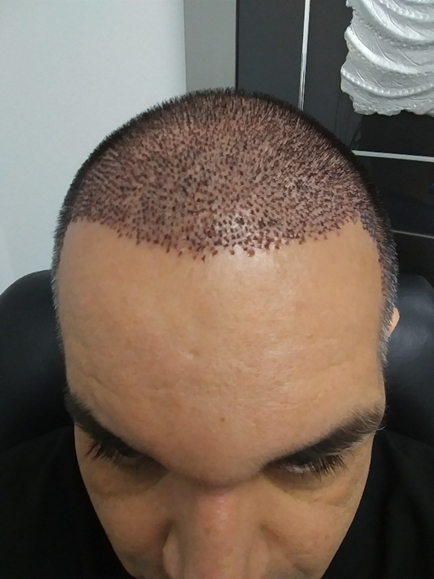
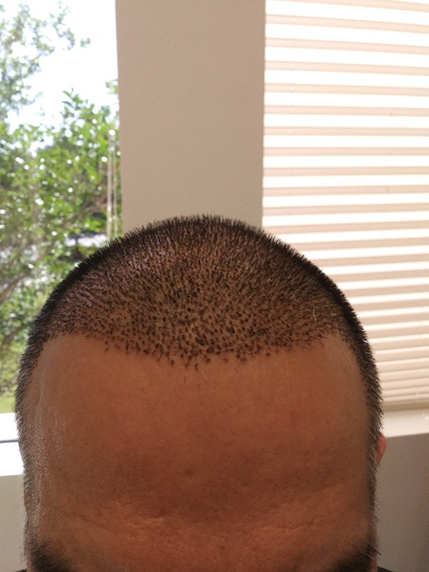
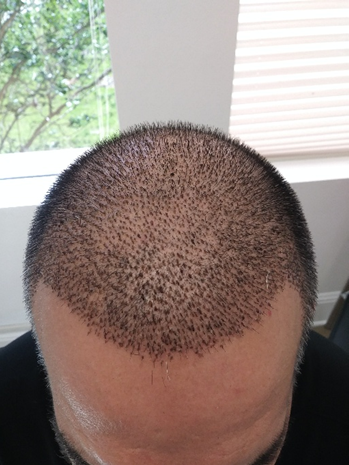
My Results
Around weeks six to seven, I noticed that the transplanted hairs had shed from the treated area. While this can feel alarming at first, it is a completely normal part of the healing process. The follicles remain intact beneath the scalp, and this shedding phase happens to virtually every patient.
By months six to seven, I began to see dramatic improvement. My hair started to flourish with new growth, restoring both my hairline and density. The difference was striking, not only in appearance but also in how I felt. I looked noticeably younger, and my confidence improved significantly. It was a powerful change, especially considering that I had not realized how advanced my hair loss had become until I saw that group picture in Colombia.
Supporting Therapies
In addition to my NeoGraft procedure, I incorporated supportive therapies to optimize results:
- Topical Minoxidil and oral Finasteride — to help maintain existing hair and stimulate regrowth.
- Botox injections into the scalp — this emerging treatment is thought to improve circulation and reduce the effect of dihydrotestosterone (DHT), a major factor in hair loss.
- Growth factor injections from my own blood (PRP/PRF) — to enhance follicle health and further stimulate natural growth.
My journey with FUE using NeoGraft technology has been transformative both personally and professionally. I hope that by sharing my experience, I can help others better understand the process—from the shedding phase to the exciting moment when new growth appears, and encourage patients to explore the safe, effective options available today for hair restoration.
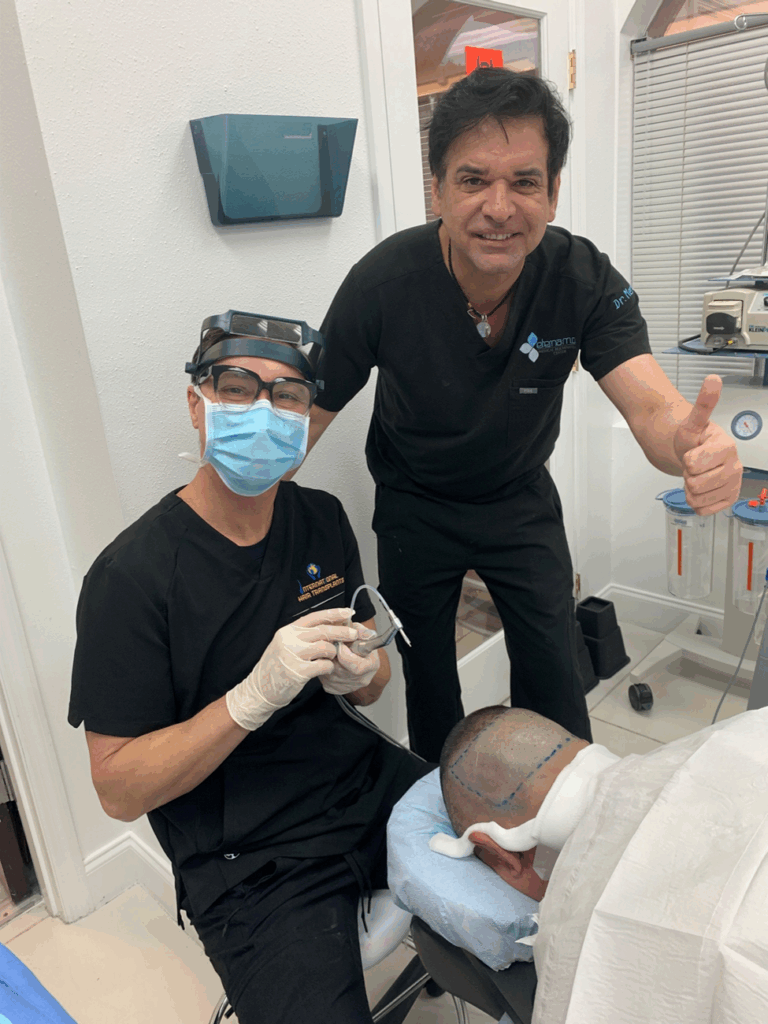
Ready to Restore Your Confidence?
If you’re considering a NeoGraft® Hair Transplant, our team at Eterna MD is here to help you achieve natural-looking, long-lasting results. Contact us for more information or schedule a consultation today to learn more about how NeoGraft® can help you regain a fuller, thicker head of hair.

Dr. Carlos Mercado
Dr. Carlos Mercado, founder of Eterna MD Medical Rejuvenation Center in Orlando, FL, is a renowned cosmetic surgeon known for his innovation and patient-focused approach. Since founding Eterna MD in 2006, he has pioneered procedures like the Colombian Butt Lift, Colombian Liposculpture, and Erectus Shots, while advancing regenerative medicine in aesthetics. With decades of experience, Dr. Mercado has trained surgeons globally, authored new techniques, and earned accolades including Doctor of the Year in Florida and recognition as one of America’s Best Doctors. A member of multiple prestigious medical organizations, he continues to lead in cosmetic surgery, helping patients achieve lasting, transformative results.

 English
  Spanish